VPN for Safer Torrenting — Protect Your IP & Torrent Safely
Torrenting is a popular way to share files, but it comes with privacy and security risks. Using a VPN ensures safe torrenting, protects your IP, and allows access to P2P-friendly servers legally and securely.
1. Why Torrenting Can Be Risky
While torrenting itself is a legal technology, downloading copyrighted material without permission is illegal in many countries. Even when sharing legal content, your IP address is visible to other users in the torrent swarm, exposing you to hackers, trackers, or surveillance. ISPs can also monitor torrent activity and throttle your bandwidth, reducing download speeds. Without protection, users risk privacy breaches, malware attacks, or legal warnings. A VPN mitigates these risks by masking your IP address, encrypting your connection, and keeping your torrenting activity private from ISPs, hackers, and third-party trackers.
2. How a VPN Protects Your IP While Torrenting
A VPN hides your real IP address by routing your traffic through a secure server. When torrenting, this means other users or trackers cannot see your actual location or personal information. Instead, they see the VPN server’s IP, keeping your identity anonymous. Encryption ensures that even your ISP cannot monitor your downloads or throttle speeds based on torrent usage. This protection reduces legal risks and enhances privacy, making torrenting safer and more secure. For P2P enthusiasts, masking your IP is essential to prevent monitoring, fines, or cyberattacks while sharing files online.
3. Legal Torrenting Guide
Torrenting is completely legal when sharing or downloading content in the public domain, open-source software, or licensed media. Websites like Public Domain Torrents, Linux distributions, or Creative Commons content provide safe downloads. Even movies, books, or music released under Creative Commons licenses can be legally torrentable. A VPN ensures that all your torrenting activity remains private, even for legal downloads. By focusing on legal content, you avoid copyright infringement while enjoying fast P2P downloads. Remember to verify the source and use trusted torrent clients to minimize risks further.
4. VPNs with P2P-Friendly Servers
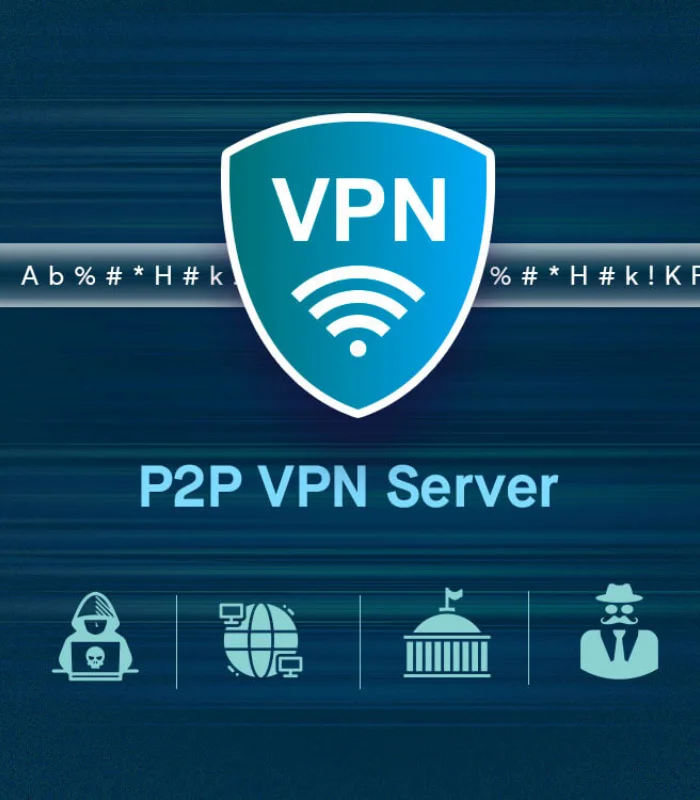
Not all VPNs allow torrenting on all servers. The best torrent VPNs have dedicated P2P servers, optimized for secure file sharing and fast download speeds. These servers are configured to prevent leaks, ensure anonymity, and avoid throttling. Premium providers like NordVPN, ExpressVPN, and CyberGhost offer P2P-specific servers with strong encryption, no-logs policies, and unlimited bandwidth. Connecting to these servers ensures efficient and safe torrenting, protecting your IP while maintaining speed and reliability. Choosing a VPN with dedicated P2P support is crucial for a smooth torrenting experience.
5. Additional Security Features to Look For
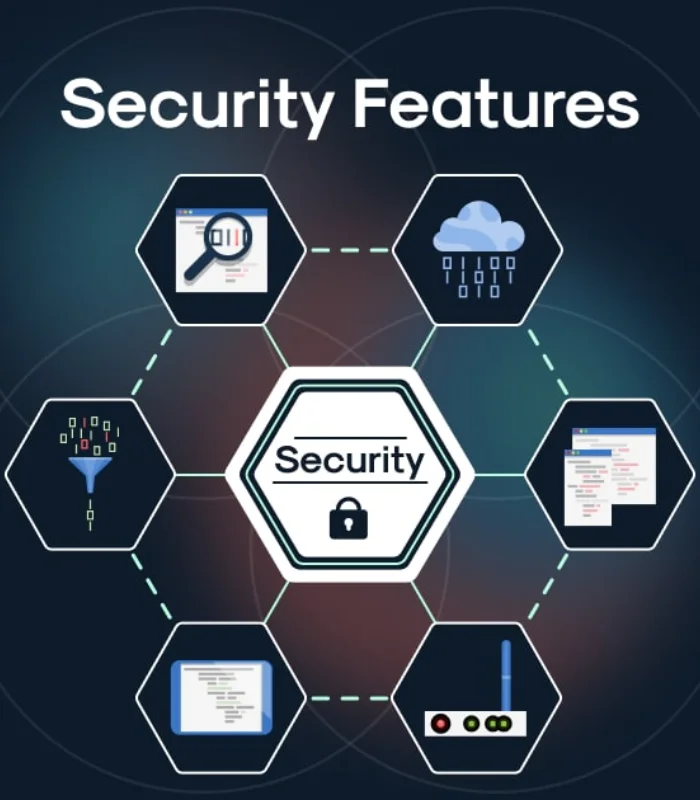
A good torrent VPN should offer kill switch protection, DNS/IP leak prevention, and strong encryption (AES-256). The kill switch blocks your internet if the VPN disconnects, preventing accidental exposure of your IP. Leak protection ensures your IP or DNS requests are never visible, while encryption safeguards your data from hackers and ISPs. Multi-platform support for desktops, mobile devices, and routers adds convenience. These features collectively create a safe, anonymous environment for torrenting, giving you peace of mind and keeping your downloads private and secure at all times.
6. Tips for Safe and Efficient Torrenting
To maximize safety and speed, always use a VPN before opening your torrent client. Connect to a P2P-optimized server, clear your cache, and enable security features like kill switches. Avoid suspicious torrents, verify the uploader, and use magnet links when possible. Combining VPN protection with a reputable torrent client ensures fast, secure downloads. Staying informed about legal boundaries and focusing on permitted content further reduces risks. By following these best practices, you can enjoy torrenting safely, efficiently, and privately, protecting your IP and personal data from potential threats.
Conclusion
Torrenting can be safe, legal, and private when paired with the right VPN. Protecting your IP, using P2P-optimized servers, and following legal guidelines ensures anonymous, secure file sharing. Strong encryption, leak prevention, and kill switch features prevent monitoring by ISPs, hackers, and trackers. With the right practices and a reliable VPN, torrenting becomes worry-free, fast, and efficient. Whether downloading open-source software, Creative Commons content, or other legal files, a VPN ensures that your privacy and safety come first, allowing you to enjoy the full benefits of P2P sharing.