Use a VPN for Dating Apps to Stay Safe, Private, and Free
Dating apps are great for meeting people, but they expose location, IP, and personal data. A reliable VPN encrypts traffic, hides identity, and unblocks platforms, so you can swipe, chat, and travel with confidence and control.
1. Shield Your Identity and Sensitive Profiles
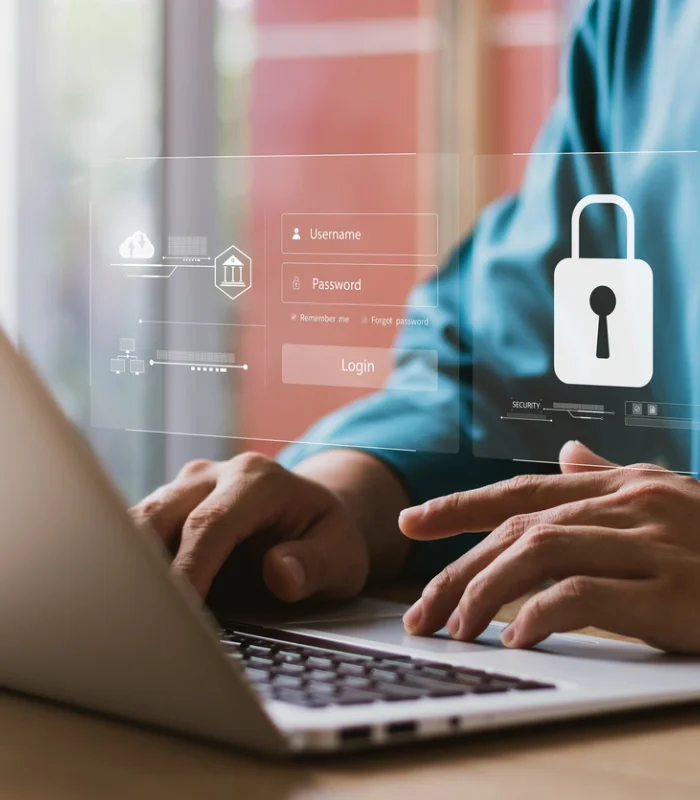
Dating apps collect profile photos, messages, precise location, and device identifiers that reveal more than you intend. A VPN encrypts traffic and masks your IP, weakening links between your account and real-world identity. It frustrates trackers on shared or unsecured networks and reduces data correlation across services. Paired with tight app permissions and two-factor authentication, a VPN cuts doxxing, stalking, and account-takeover risks. If an app suffers a breach, your masked IP and minimized metadata limit what attackers can weaponize, protecting your privacy beyond the app itself. Avoid linking dating accounts to social profiles to keep identities compartmentalized.
2. Bypass Blocks and Throttling Anywhere
Some countries, campuses, and workplaces block dating platforms or throttle them heavily. A VPN routes your connection through servers in regions where the apps work normally, defeating overreaching firewalls and filters. Pick servers with strong uptime, WireGuard or OpenVPN support, and low congestion for faster swiping and messaging. When traveling, switching to a nearby regional server restores access without exposing your real IP or itinerary. If deep packet inspection is present, enable obfuscation or stealth modes to disguise VPN traffic, preserving reliable access while keeping your usage discreet and portable.
3. Explore Matches Beyond Your Current Location
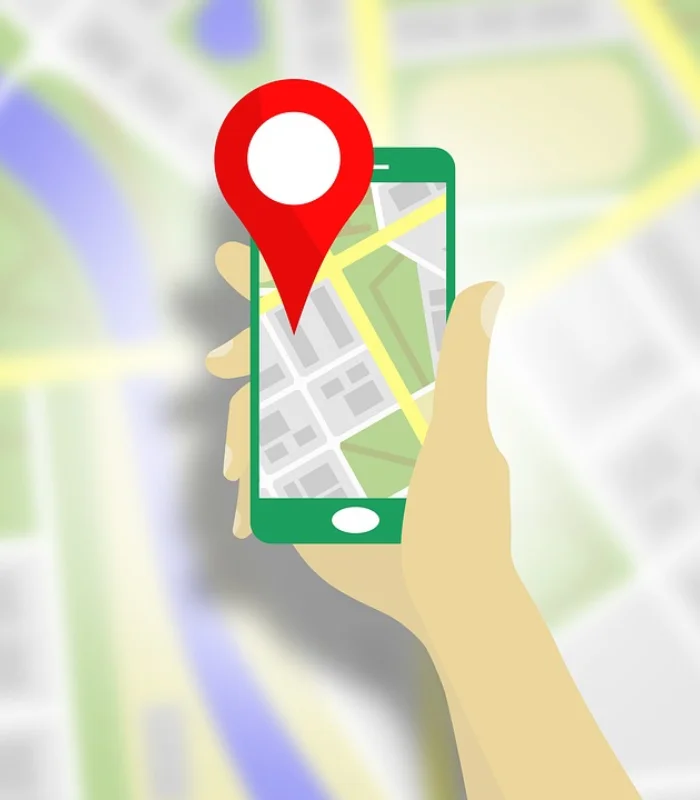
Many dating apps prioritize matches within a limited radius, while some reserve broader discovery for premium tiers. With a VPN, you can virtually change locations to explore potential matches in other cities or countries without oversharing your exact whereabouts. This expands cultural reach and helps plan future trips or relocations by gauging local communities beforehand. To stay ethical and transparent, note travel plans in your bio and avoid misrepresenting where you live. Use city servers close to target areas to preserve speed, and remember that authentic conversation matters more than geolocation strategy.
4. Stay Secure on Public Wi-Fi and Hotspots
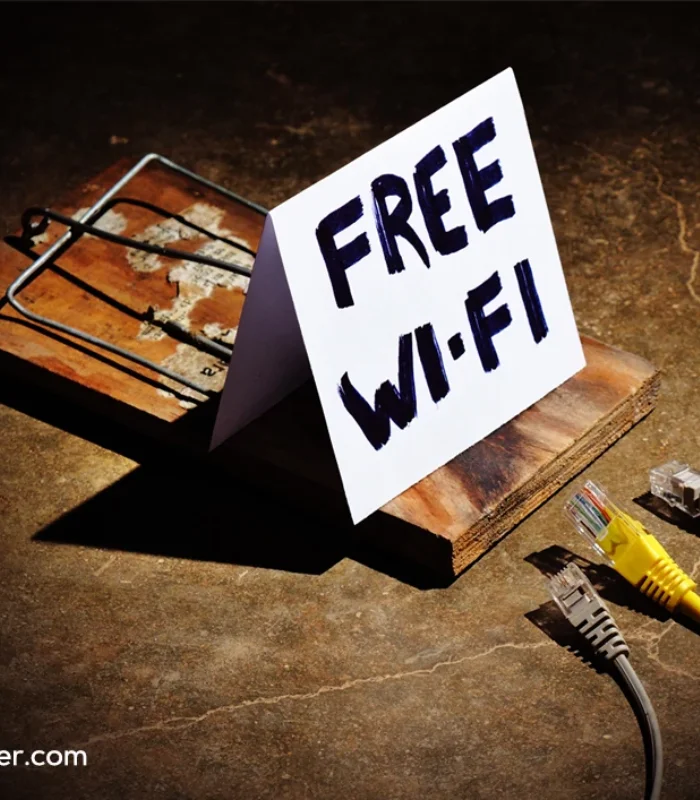
Public Wi-Fi in cafés, airports, and hotels is risky because attackers can monitor traffic or spoof hotspots. A VPN builds an encrypted tunnel between your device and the VPN server, protecting logins, images, and messages from interception. It also thwarts session hijacking by obscuring cookies and tokens that might otherwise be stolen. Enable the kill switch so traffic never leaks if the connection drops, and disable auto-join on unknown networks. Keep your operating system and dating apps updated to patch vulnerabilities, and prefer HTTPS links inside chats for additional end-to-end protection.
5. Keep Conversations Private and Metadata Minimal
Dating should feel private, even when algorithms and advertisers crave data. A VPN reduces metadata exposure to internet providers, carriers, and analytics networks, keeping your activity from being profiled or repackaged. Pair it with privacy-friendly app settings: limit contact syncing, restrict background location, and disable ad tracking. Consider multi-hop or rotating IPs if you live under intensive surveillance or simply want additional separation between sessions. The goal isn’t secrecy for secrecy’s sake, but preserving boundaries so your conversations, photos, and intentions remain yours—and yours alone—while you build genuine connections.
Conclusion
Dating apps are a fun and modern way to connect with new people, but they come with serious privacy and security risks. A VPN ensures your identity remains hidden, encrypts your personal chats, and allows you to bypass restrictions while traveling or living in regions with limited access. It gives you confidence to explore relationships without worrying about data leaks, stalking, or exposure. By combining safety, freedom, and peace of mind, a VPN becomes an essential tool for anyone who wants to enjoy online dating securely and privately.