VPN Online Shopping Security — Protect Yourself from Identity Theft
Online shopping and banking are convenient, but they can expose you to hackers, phishing attacks, and identity theft. A VPN adds a layer of protection, securing your personal data and financial information while you shop or bank online.
1. How Online Shopping Puts You at Risk
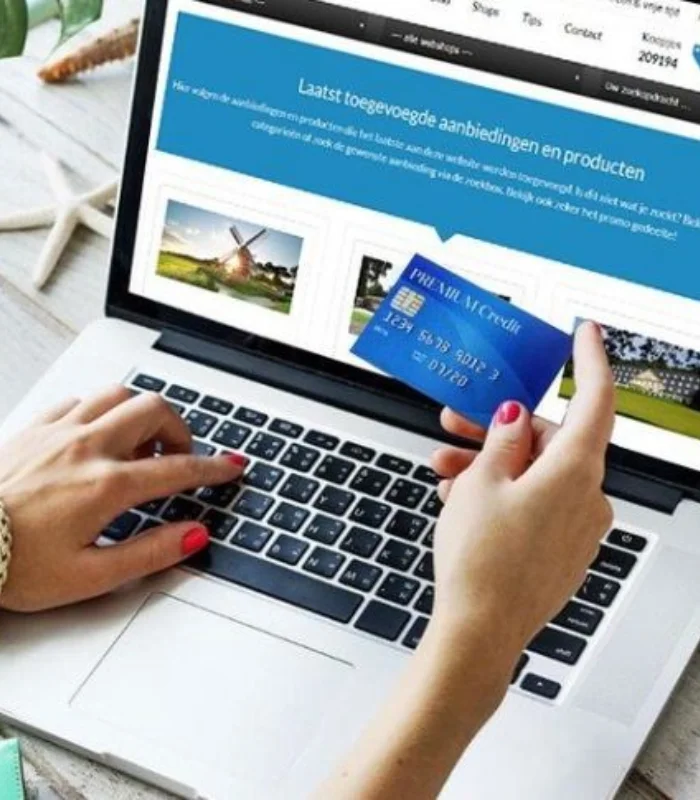
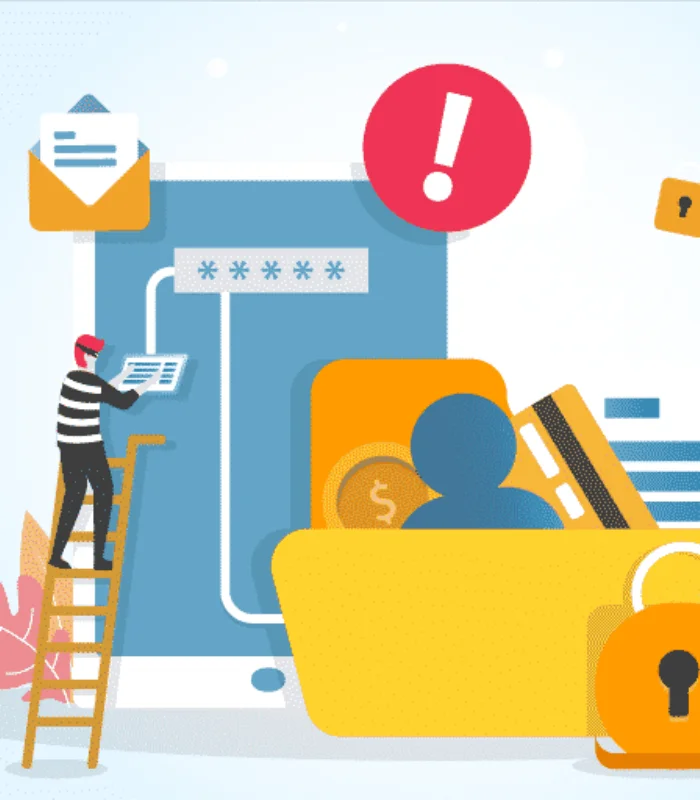
Every time you enter credit card details, addresses, or login credentials on shopping websites, your sensitive information is transmitted over the internet. Public Wi-Fi networks, unsecured websites, and phishing scams make it easy for hackers to intercept this data. Even reputable e-commerce platforms may be vulnerable to breaches. Identity theft can occur when cybercriminals access your financial data, leading to unauthorized transactions, drained bank accounts, or stolen personal information. Understanding these risks highlights the importance of additional protection tools like VPNs to keep your online shopping experience secure.
2. How a VPN Protects Your Data
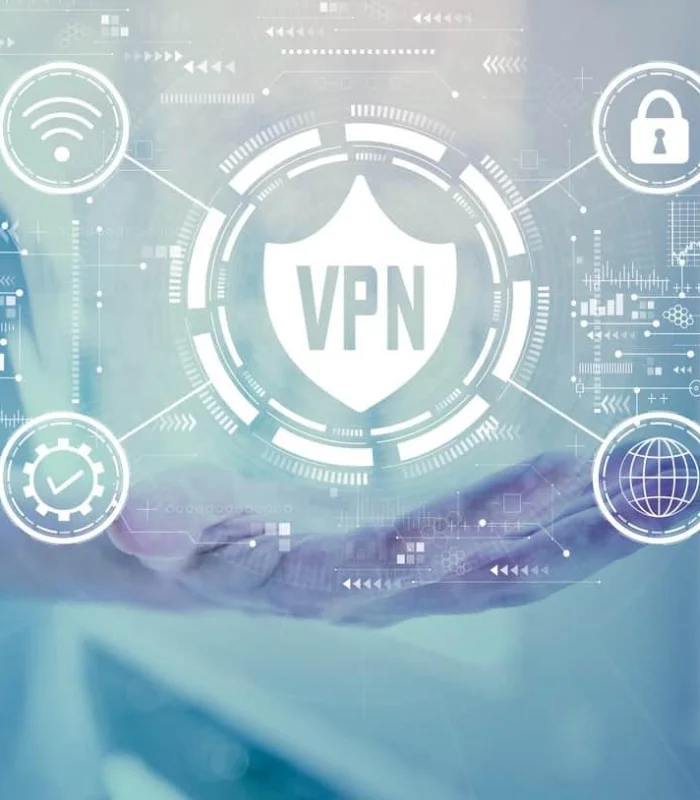
A VPN encrypts your internet connection, creating a secure tunnel between your device and the websites you visit. Encryption ensures that sensitive information, such as passwords, credit card numbers, and banking details, remains private and inaccessible to hackers. When connected to a VPN, your IP address is masked, making it difficult for attackers to trace your location or intercept your activity. Whether you’re shopping on your laptop at a café or banking from a hotel Wi-Fi, a VPN prevents cybercriminals from spying on your transactions, keeping your identity and finances safe.
3. Preventing Identity Theft During Online Transactions
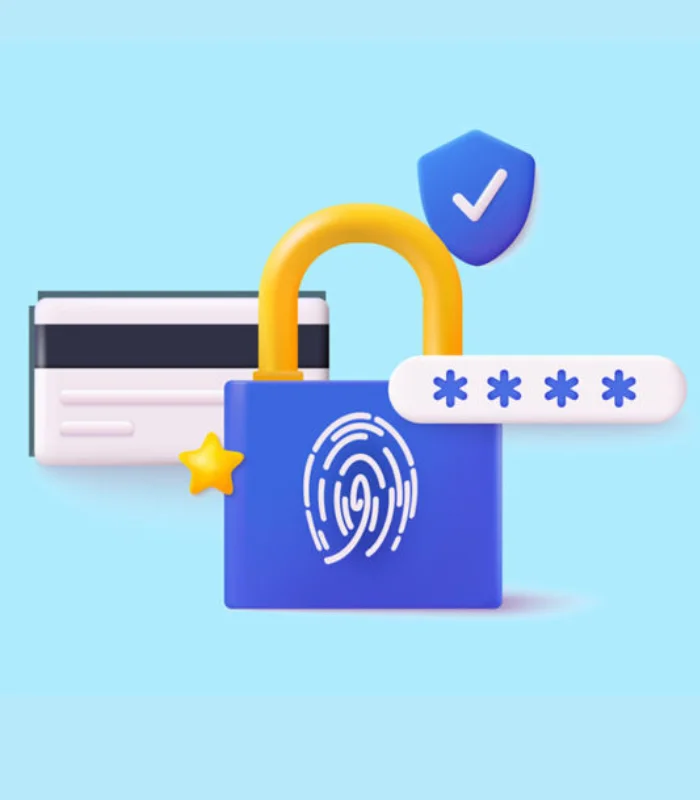
Identity theft often occurs when hackers steal personal information during online transactions. Using a VPN prevents this by encrypting data and hiding your IP, so attackers cannot track your activity. It also blocks malicious websites from monitoring your connection. Many VPNs include features like malware blockers and phishing protection, which further safeguard your information. Combined with strong passwords and two-factor authentication, a VPN significantly reduces the risk of your identity being compromised while shopping online or accessing banking accounts.
4. Secure Online Banking Anywhere
Banking on public Wi-Fi is risky without protection. A VPN secures your connection, making it appear as though you’re accessing your bank from a trusted location. This prevents man-in-the-middle attacks where hackers intercept login credentials or transaction data. Whether checking your balance, transferring funds, or paying bills online, a VPN encrypts every action. Additionally, some VPNs offer multi-factor authentication and leak protection, ensuring your banking activity is private. With a VPN, you can safely manage finances from home, cafes, airports, or hotels without fearing exposure to cybercriminals.
5. Avoid Targeted Ads and Tracking
Online shopping often involves targeted ads and tracking cookies, which can compromise your privacy. Without protection, websites can monitor your browsing behavior, creating profiles that may be sold to third parties. A VPN masks your IP address and encrypts your traffic, making it harder for advertisers and malicious actors to track your activities. This means fewer personalized ads and a safer shopping experience. By combining a VPN with privacy-focused browsers and anti-tracking extensions, you can protect your digital footprint while maintaining anonymity during online shopping and banking.
6. Tips for Maximum Security While Shopping Online
To maximize safety, always use a VPN on public Wi-Fi or unfamiliar networks. Connect to servers in your country to reduce banking verification issues or in secure locations for the best privacy. Avoid saving payment details on shopping sites, use strong, unique passwords, and enable two-factor authentication. Regularly update software and VPN apps to patch vulnerabilities. By combining these practices with a VPN, you ensure end-to-end protection for transactions, prevent identity theft, and maintain secure online shopping and banking habits.
Conclusion
Online shopping and banking are convenient but come with privacy and security risks. A VPN protects your personal and financial data through encryption, IP masking, and secure connections, preventing identity theft and hacking attempts. By combining VPN use with safe browsing practices, strong passwords, and two-factor authentication, you can shop and bank online with confidence. Whether using public Wi-Fi, traveling abroad, or simply surfing from home, a VPN ensures your sensitive information remains private, giving peace of mind and secure access to the digital marketplace.